Frozen chicken sausage cooks safely straight from the freezer as long as it reaches an internal temperature of 165°F (74°C). Most methods take 12 to 30 minutes, depending on size and cooking style. That speed makes it a practical option for nights when there’s no time to thaw or plan ahead.
Many grocery brands offer both fully cooked and raw versions, all designed to go from frozen to pan without much effort. With the right approach, the outside browns while the inside stays juicy and hot. Keep reading for quick methods, useful prep tips, and easy meals ready in under 20 minutes.
Quick Cooking Essentials for Frozen Chicken Sausage:
- Frozen chicken sausage cooks safely when it reaches 165°F internal temperature, the poultry safety benchmark cited by the USDA.
- The fastest methods are air frying (12–18 minutes) and stovetop pan-frying (15–20 minutes).
- Frozen chicken sausage works well in one-pan meals, pasta dishes, and vegetable skillets for fast weeknight dinners.
Cooking Frozen Chicken Sausage Without Thawing
Cooking frozen chicken sausage without thawing? It’s actually pretty straightforward. The key is that poultry is safe to eat once the center hits 165°F according to USDA’s official rule to zap bacteria like Salmonella.
For quick meals, many find adding chicken sausage to vegetable skillets or pasta dishes boosts flavor and nutrition. See how chicken sausage and broccoli recipes can make weeknight dinners faster and versatile.
Frozen sausage takes roughly 50 percent longer to cook than thawed, but in real terms, that’s just another 5 to 10 minutes. Not a big delay. What matters most isn’t the time on the stove but reaching that right temperature. Instead of judging by how it looks or feels, grab a meat thermometer and check the thickest part.
A few smart habits make cooking frozen sausages safer and more consistent:
- Use a meat thermometer at the thickest spot.
- Cook over medium heat to avoid burning the outside before the inside cooks through.
- Give each sausage some breathing room in the pan for even heat distribution
- Let the sausages rest for 2 minutes before cutting to lock in juices.
Following these steps helps keep your cooking predictable, especially when weeknights turn hectic.
For official temperature guidelines, the USDA Food Safety and Inspection Service has you covered here: https://www.fsis.usda.gov/food-safety/safe-food-handling-and-preparation/poultry. Once you’re sure it’s safe, the way you cook it is up to you.
Quick Weeknight Cooking Snapshot
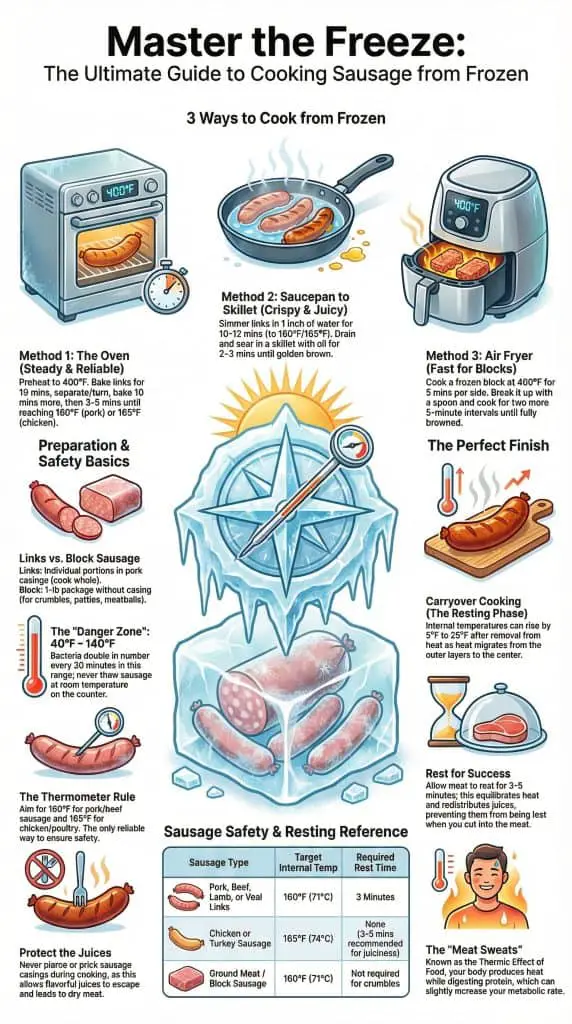
The fastest no-thaw cooking methods include air frying, stovetop pan cooking, and oven roasting. Most complete within 12 to 25 minutes.
Three short facts help compare the option
Air fryers circulate high-speed hot air, which cooks frozen foods often 20-40% faster than ovens per appliance tests, according to appliance testing by Consumer Reports. Stovetop cooking offers the strongest browning because sausage casing contacts with hot metal directly.
Oven baking works best for large batches and sheet-pan dinners.
| Method | Total time | Equipment | Texture result |
| Air fryer | 12-16 min | Air fryer basket | Crispiest |
| Pan-fry + steam | 15–20 min | Skillet with lid | Juicy |
| Oven bake | 20–25 min | Sheet pan | Even browning |
| Simmer then sear | 20–25 min | Pot + skillet | Tender interior |
Each method produces reliable results when the sausage reaches 165°F internally.
Quick Preparation That Improves Frozen Sausage

Frozen sausage can be tricky to cook. It often bursts, and the texture isn’t always great. A couple of quick moves before you even turn on the stove make a real difference.
The main issue is those little ice crystals that come from on the outside. Giving the sausages a quick rinse under cold water just a minute or two gets rid of that icy film. This lets the heat, or the oil in your pan, hit the casing directly instead of fighting through a layer of melt-water.
After rinsing it, you have to dry them. Really, pat them down with a paper towel until they’re not wet. Any leftover moisture on the surface will steam the sausage instead of letting it brown properly. That browning, called the Maillard reaction, is where a lot of the good flavor comes from.
A lot of people also poke the casing a few times with a fork. It’s not about making holes for flavor to escape; it’s to let steam out during cooking so pressure doesn’t build up and split the casing open.
Putting it all together, your prep looks like this:
- Optional: Briefly rinse under cold water to remove ice glaze, then pat extremely dry with paper towels
- For raw sausages, prick casing lightly to release steam; skip for pre-cooked. Most frozen chicken sausages are pre-cooked; confirm package and skip pricking
- Add 1-2 teaspoons of a high-heat oil like olive or avocado oil to your pan.
This whole routine adds maybe a minute to your prep time. The payoff is a sausage that browns nicely, keeps its shape, and just turns out better. Skipping these steps means you’re cooking a wet, icy sausage that’s more likely to burst and steam in its own juice. Taking the minute to do it right changes the outcome completely.
Air Fryer Frozen Chicken Sausage (Fastest Method)
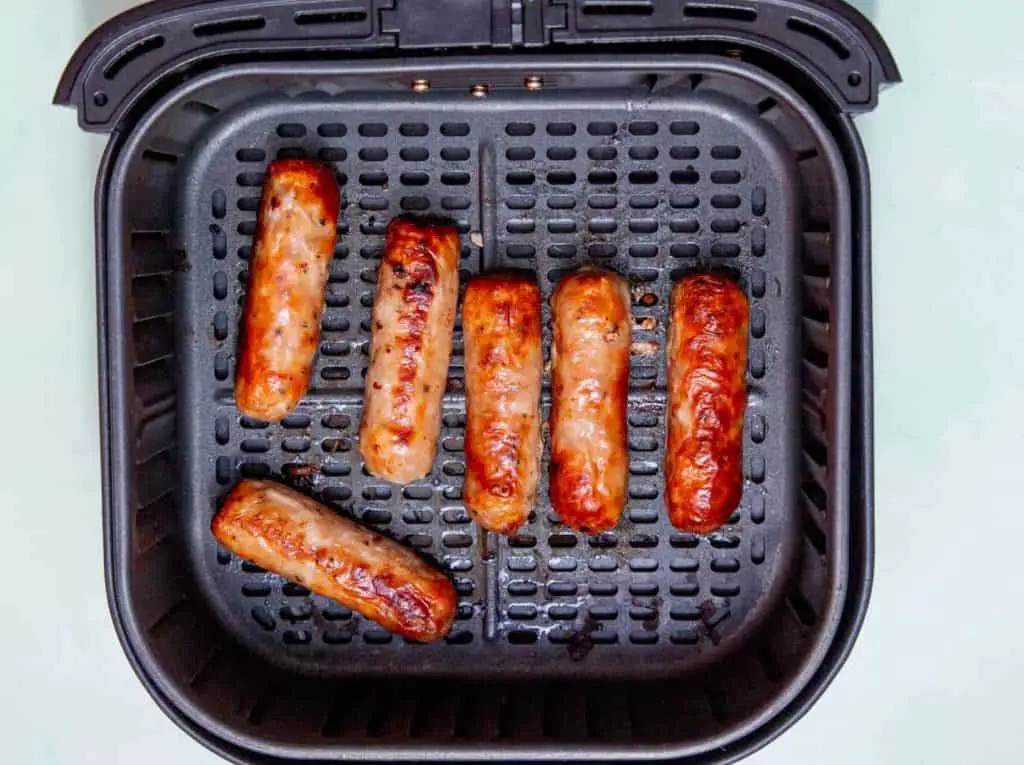
Air frying frozen chicken sausage cooks links in about 12-18 minutes, making it one of the fastest weeknight cooking methods. Air fryers use rapid hot-air circulation that mimics convection ovens. This airflow produces a crisp exterior while gradually heating the frozen center.
Many home cooks prefer this method because it requires very little oil and almost no attention during cooking.
The typical air fryer workflow looks like this:
- Preheat air fryer to 380°F (193°C)
- Place frozen sausages in basket without overlapping
- Cook 12-16 min
- Flip the sausages halfway through
Two short paragraphs explain the finishing step.
After flipping, cook for another 12-16 min until browned. Thicker sausages may need an additional 2-3 minutes. Check the center temperature before serving. Once the sausage reaches 165°F, remove it and allow it to rest briefly before slicing.
Air frying produces crisp skin with minimal effort, which explains why it remains a popular frozen-food cooking method.
Stovetop Frozen Chicken Sausage (Skillet Method)
Cooking frozen chicken sausage on the stovetop takes about 15-20 minutes and produces strong browning. A skillet method works because direct heat from the pan quickly browns the sausage casing while the interior slowly thaws and cooks.
Professional cooking guides from America’s Test Kitchen recommend moderate heat for poultry sausages. Medium heat prevents scorching while allowing steady interior heating.
Follow this simple sequence for skillet cooking:
- Heat up 1 teaspoon oil in a skillet over medium heat
- Add frozen sausages in a single layer
- Cook 4-5 minutes per side
Two short paragraphs explain the steaming step.
After the initial sear, add ¼ cup water and cover the pan with a lid. The steam helps thaw the interior more quickly. Continue cooking until the water evaporates and the sausages reach 165°F internally. Turn them occasionally for even browning. This technique produces juicy sausage with a crisp exterior.
Oven Baked Frozen Chicken Sausage
Baking frozen chicken sausage in the oven is one of the easiest ways to cook it, especially if you’re making dinner for a few people. You can fit a whole tray of them in there at once. Set your oven to 400°F (that’s about 200°C) and let it heat up completely first, this helps everything start cooking right away.
Just lay the frozen sausages out on a baking sheet. Parchment paper or foil makes cleanup simple. A light brush with a little oil helps the outside get crisp. They’ll need about 20 to 25 minutes in the hot air.
The key step is to flip them over once, halfway through. This makes sure all sides get that nice browned color. If you want even more color and a slightly crispier skin, switch the oven to broil for the last minute or two. Keep a close eye on them, though; they can burn quickly under the broiler.
This temperature range, generally between 375°F and 425°F, is common advice from sausage makers because it cooks the poultry safely while still allowing for good browning. Since the oven does all the work, you can use the time to prepare a side.
Tossing some vegetables like broccoli or bell peppers onto the same pan turns it into a complete, hands-off meal with only one pan to wash. The steady, dry heat of the oven is reliable, and you end up with juicy sausages that have cooked through evenly without the risk of burning on the stovetop.
Simmer Then Sear for Tender Sausage
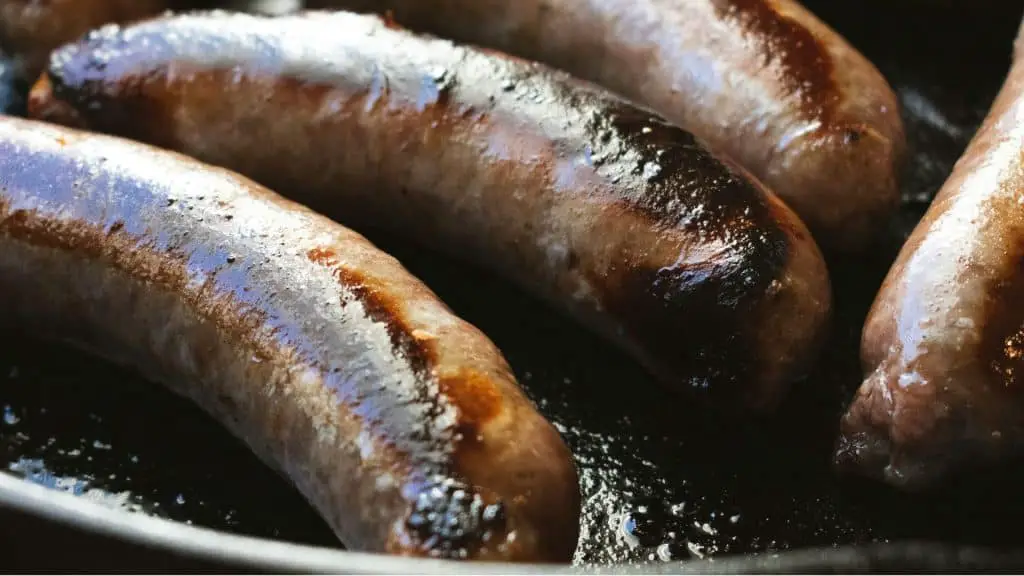
If you want a sausage that’s tender all the way through but still has a crisp taste, browned outside, try simmering it first. Starting in water is a great trick for frozen chicken sausage. The gentle heat from simmering water or broth works its way slowly into the frozen core, cooking it evenly without rushing and risking a split casing.
Cooking teachers like this method for more delicate sausages because it’s so controlled. You just bring your liquid water is fine, but broth adds more flavor to a quiet simmer, not a rolling boil. Drop the frozen sausages in and let them cook for 10 to 15 minutes. You’ll see them plump up and firm up slightly.
That simmering step is just the first part, though. The real flavor comes next. After simmering, you need to take the sausages out of the water and pat them dry with a paper towel. This is important; a wet sausage won’t sear properly.
Then, get a skillet nice and hot over medium-high heat. Add a little oil. Place the simmered sausages in the pan and let them sizzle for about 2 to 3 minutes on each side. This final sear creates that flavorful browned crust you’re looking for, the Maillard reaction that makes it taste cooked, not just steamed.
By splitting the process into two steps, a gentle simmer followed by a quick hot sear you will get complete control. The inside is fully cooked and stays juicy, while the outside gets the texture and color you want from pan-frying. It takes a bit more time than just throwing them in a pan, but the difference in the final texture is noticeable.
The sausage is less likely to be rubbery or burst open, and you end up with something that’s tender but not soft, crisp but not tough.
Quick Weeknight Meals With Frozen Chicken Sausage
There’s a quiet kind of relief in knowing you’ve got a few frozen chicken sausages tucked away in the freezer. They’re a no-nonsense source of protein; each link typically packs 12-18g protein per link, and their mild flavor doesn’t clash with what’s already in your fridge.
What really makes them winners? Speed. You can cook them straight from frozen, and in less than twenty minutes, you’ve got the backbone of a meal. Think of a one-pan skillet loaded with chicken sausage and bell peppers. Or toss sliced sausage with pasta and garlic. Chop them up for a quick fried rice.
They make sturdy sausage tacos, especially with a crunchy slaw, or pop them on a sheet pan with potatoes and broccoli for an easy roast, inspired by chicken sausage and broccoli recipes that bring fast, balanced meals to your table.
Once cooked, slicing opens up a world of possibilities. Add those pieces to a rice bowl with avocado and salsa for a quick flavor boost. Stir them into vegetable soup to add some heft. Mix with noodles and a simple sauce for an easy meal. The main goal: get a balanced dinner on the table fast, without complicated recipes or a sink full of pans.
Using pre-cooked or fully-cooked frozen sausage means you’re rarely starting from scratch. Mostly, it’s just warming and mixing a reliable trick to turn a kitchen staple into dinner before the day’s stress catches up with you.
Avoid Dry or Overcooked Frozen Sausage
It’s frustrating when your frozen sausage turns out dry or the casing splits wide open. That usually happens because the heat is too high. A super hot pan will sear the outside quickly, but the inside is still a frozen block. To get it cooked through, you end up leaving it on the heat too long, and the outside becomes tough and dry.
The fix is to slow things down. Cook over medium heat, not high. This gives the heat time to travel to the center without scorching the exterior. Turn the sausages every couple of minutes so they cook evenly on all sides.
Another useful trick is to add a small splash of water, broth, or even beer to the pan after you get some initial color. Put a lid on it for a few minutes. The steam this creates surrounds the sausage, gently warming the frozen middle without adding more direct, drying heat to the outside. Then you can remove the lid to let the liquid evaporate and finish browning the casing.
You also don’t need to cook it until it’s completely done in the pan. For chicken sausage, take it off the heat when a meat thermometer reads about 160°F (71°C). Then, just let it sit for a few minutes. The internal temperature will continue to rise from residual heat this is called carryover cooking safely reaching the recommended 165°F without going past it.
That resting period also lets the juices, which have been driven to the center by the heat, redistribute back throughout the sausage. If you cut into it immediately, all those juices just run out onto your plate.
So, the main ideas are medium heat, frequent turning, a bit of steam, and pulling it off the heat a few degrees early. These small changes make a big difference, giving you a sausage that’s juicy all the way through with a casing that’s intact.
Why Frozen Chicken Sausage Works for Busy Weeknights?
You get home tired, you’re hungry, and waiting for food to thaw just isn’t happening. Frozen chicken sausage fixes that fast. You can cook it straight away and still get something hot, filling, and solid on the table without overthinking it. It just works.
Keep a pack in your freezer and you’ve always got a backup plan that feels like a real meal, not a shortcut. You don’t need a recipe or much effort, just heat and a few sides. That kind of simple win is what makes busy nights easier.
FAQ
Can I cook frozen chicken sausage without defrosting safely?
Yes, no thaw sausage cooking is safe when you cook sausage without defrosting to a proper internal temperature. Direct from freezer cooking works well for busy night chicken sausage meals. You should extend cooking time slightly and turn the sausages evenly. This method keeps easy frozen meat meals simple and practical for quick weeknight dinners at home.
What is the fastest method for frozen chicken sausage on busy nights?
The fastest method is using air fryer frozen chicken sausage or microwave chicken sausage fast techniques. Both methods work well for a 15 minute sausage dinner when time is limited. These frozen protein hacks help you prepare dinner in under 20 minutes. They are ideal for low prep chicken sausage meals and quick weeknight dinners without extra effort
How do I cook frozen chicken sausage on the stovetop or oven?
For stovetop frozen sausage, cook over medium heat and add a small amount of water before you pan fry frozen chicken links evenly. For oven baked frozen sausage, place the sausages on a tray and cook until fully browned. Both methods work well for a skillet frozen sausage recipe or frozen sausage sheet pan meals with vegetables.
What meals can I make using frozen chicken sausage quickly?
You can prepare one pan sausage meals such as sausage and veggies frozen, simple sausage stir fry, or chicken sausage pasta quick recipes. You can also try sausage rice bowl quick meals or chicken sausage tacos fast. These options turn frozen chicken sausage recipes into easy weeknight dinners that are filling and convenient to prepare.
Are frozen chicken sausage meals healthy and good for meal prep?
Frozen chicken sausage can support healthy weeknight sausage meals when combined with vegetables such as broccoli sausage skillet or zucchini frozen sausage dishes. It works well for meal prep frozen sausage or batch cook frozen links. You can also prepare low carb quick sausage or gluten free frozen sausage meals that are balanced and suitable for regular eating.
Refrences:
- https//www.cidrap.umn.edu/campylobacter/usda-165-degrees-magic-number-safe-poultry/
- https//braisedanddeglazed.com/whats-the-perfect-internal-temperature-for-sausages-how-to-cook-sausages-perfectly-every-time/
Refrences:
- https//milkwoodrestaurant.com/chicken-sausage-pasta/
- https//milkwoodrestaurant.com/chicken-sausage-and-broccoli-recipes/
- https//milkwoodrestaurant.com/how-to-cook-chicken-heck-sausages-from-frozen/
Was this helpful?

I’m Mary R. Q. , a seasoned professional chef dedicated to elevating home cooking experiences. Through my expertise in the culinary arts, I provide practical cooking tips and insightful reviews of kitchen utensils on my blog, milkwoodrestaurant.com. As a passionate advocate for transforming everyday meals into extraordinary culinary adventures, I aim to empower home cooks with the knowledge and tools they need to create delicious and memorable dishes. I’m also an author of the book “1,001 Kitchen Tips & Tricks: Helpful Hints for Cooking, Baking, and Cleaning (1,001 Tips & Tricks)” which is sold on Amazon. Join me on a flavorful journey as we explore the art of cooking and the essential tools that make it a joy.